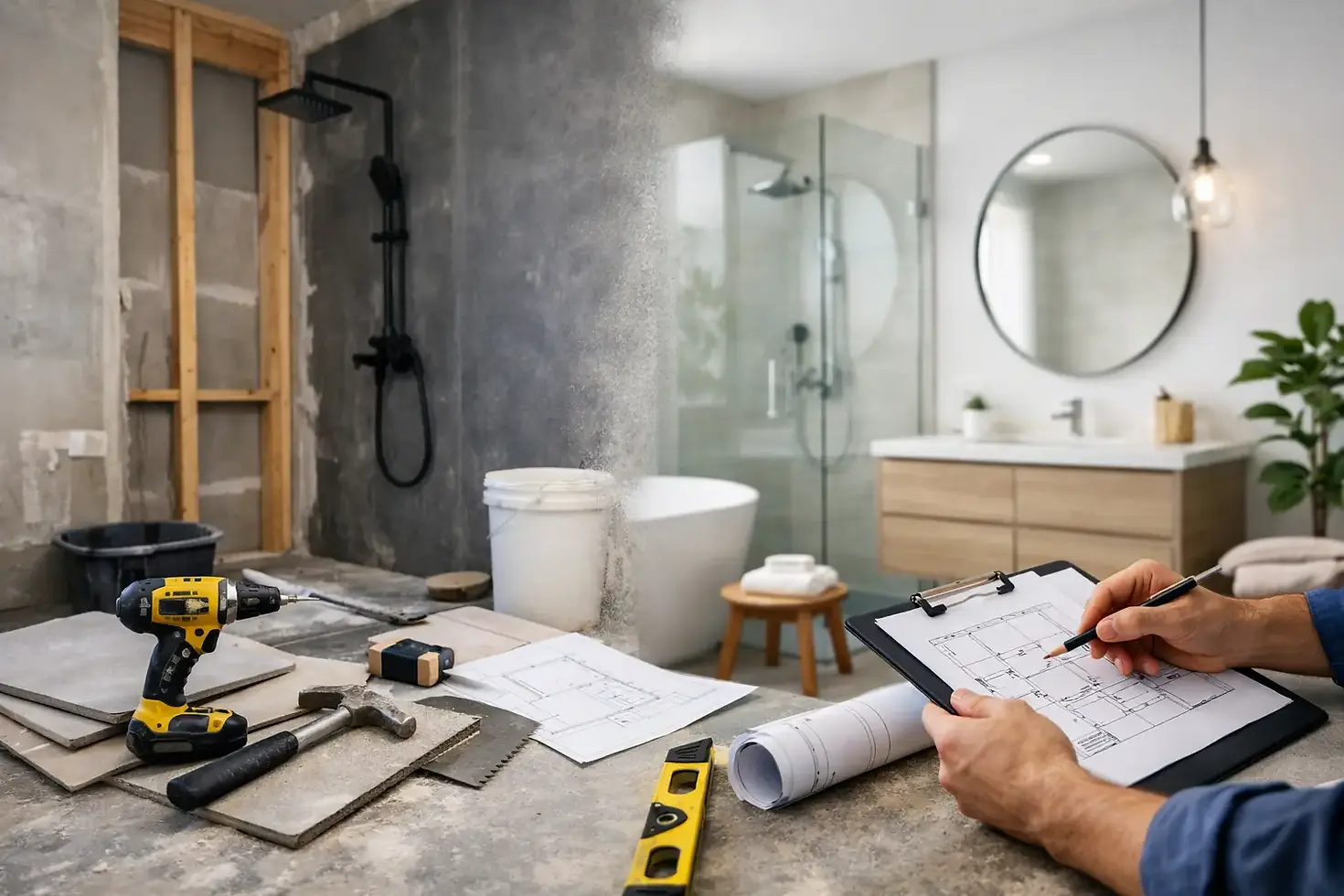
How to Remodel a Bathroom the Right Way

A bathroom remodel usually starts with one frustration you are tired of working around - poor storage, dated tile, bad lighting, a cramped layout, or finishes that never felt like you. If you are asking how to remodel a bathroom, the best answer is not to start with demolition. It is to start with a plan that balances design, daily function, construction reality, and long-term value.
The most successful bathroom renovations are not built from random product picks or rushed contractor bids. They come from a clear vision, thoughtful space planning, and a process that connects every decision, from cabinetry and tile to plumbing placement and lighting. That is what turns a bathroom from merely updated into truly elevated.
How to remodel a bathroom starts with clarity
Before selecting a single finish, decide what this room needs to do better. For some homeowners, that means replacing a standard vanity with custom storage that keeps counters clean. For others, it means converting a tub that never gets used into a spacious walk-in shower, improving lighting for morning routines, or creating a more refined primary bath that feels worthy of the rest of the home.
This is where many projects either gain momentum or lose direction. Inspiration photos are useful, but they are only a starting point. A beautiful image does not show whether the layout works for your square footage, whether the vanity depth is practical, or whether the material choices fit your household and budget. A designer-led approach helps translate style ideas into a bathroom that can actually be built well.
If you are remodeling for resale, your decisions may lean more timeless. If this is your forever home, you may prioritize comfort, customization, and details that make everyday life easier. Neither goal is wrong. The key is knowing which one is driving the project.
Set a budget that reflects the real scope
One of the fastest ways for a bathroom remodel to become stressful is underestimating what the work includes. A polished result is rarely about one line item. New tile often affects underlayment and waterproofing. A new vanity may require plumbing adjustments. Better lighting may trigger electrical updates. Once walls are opened, older homes can reveal issues that were not visible at the estimate stage.
A realistic budget should account for design, materials, labor, fixtures, finish work, and a contingency for surprises. That contingency matters. Bathrooms are compact spaces, but they are technically dense. Plumbing, electrical, ventilation, tile work, millwork, and moisture control all need to perform well in a small footprint.
It also helps to know where your investment has the most visual and functional impact. Custom cabinetry, a quality shower system, well-executed tile, and layered lighting tend to shape the experience of the room more than trend-driven accessories. If the budget needs to flex, it is often smarter to simplify a secondary finish than compromise the craftsmanship behind the walls.
Build the layout before you build the look
A bathroom can have expensive finishes and still feel disappointing if the layout is weak. That is why space planning deserves more attention than many homeowners expect. Good remodeling is not just about replacing old with new. It is about making the room work better.
In some bathrooms, keeping plumbing locations in place is the most efficient move. It can help control costs while still allowing for a dramatic transformation through better cabinetry, tile, fixtures, and lighting. In other cases, moving a shower, expanding a vanity, or reworking the entry can solve problems that have frustrated the homeowner for years.
The right answer depends on the room. A busy family bathroom needs durable surfaces and organized storage. A guest bath may benefit more from strong visual impact in a smaller footprint. A primary bathroom often calls for a more tailored balance of luxury and routine, with details such as integrated storage, improved lighting, and a calmer material palette.
Storage is part of the design, not an afterthought
Bathroom clutter is usually a design problem, not a discipline problem. If there is nowhere to put towels, backup toiletries, or styling tools, even a beautiful room will feel unfinished. Built-in storage, vanity drawer planning, recessed niches, medicine cabinets, and linen solutions should be addressed early, not after selections are complete.
This is one reason custom cabinetry changes the quality of a remodel. It lets the space work harder and look more intentional. A bathroom should feel edited, not overcrowded.
Choose materials that can handle daily life
Bathrooms are hard-working spaces. Moisture, heat, cleaning products, and frequent use all put pressure on finishes. The materials you choose should look beautiful, but they also need to hold up.
Tile is often where homeowners want to make a statement, and it can absolutely elevate a bathroom. Still, scale and placement matter. A dramatic wall tile may be perfect in a shower but overwhelming throughout a small room. Natural stone can be stunning, but it may require more maintenance than porcelain. Matte finishes can feel sophisticated, but some show residue more easily than expected.
Vanity materials deserve the same scrutiny. Painted cabinetry creates a refined look, but the finish quality matters. Countertops should resist moisture and wear. Hardware should feel substantial in the hand, not just photograph well. Even mirrors and lighting need to be selected with both beauty and performance in mind.
Trend awareness is useful, but trend-chasing usually has a short shelf life. A more confident approach is to choose a timeless foundation, then bring personality through texture, lighting, color accents, or a signature tile application.
Understand what the construction phase really involves
Homeowners often picture the remodel as a sequence of visible upgrades. In reality, the most important parts are frequently the ones you do not see. Waterproofing, substrate preparation, plumbing rough-ins, electrical work, ventilation, and precise installation all shape whether the bathroom performs as beautifully as it looks.
That is why fragmented project management can create problems. When multiple trades are loosely coordinated, details can get missed. The tile selection may not account for the niche framing. The vanity size may conflict with plumbing placement. The lighting plan may not support the mirror design. These are not small issues. They affect both schedule and finish quality.
A well-managed remodel keeps the design intent connected to the build process from start to finish. It also gives homeowners a clearer experience, which matters when you are balancing renovation decisions with work, family, and daily life.
Timelines depend on decisions as much as labor
Delays are not always caused by construction alone. They often come from late selections, product lead times, or changes once work is underway. The more decisions made upfront, the smoother the project tends to run.
This is especially true for bathrooms because dimensions are tight and components are interdependent. If a faucet, sconce, vanity, or tile order changes late, it can affect more than one trade. Planning early protects both the schedule and the final result.
How to remodel a bathroom without expensive regret
The easiest way to overspend is to make disconnected decisions. The easiest way to regret a remodel is to focus only on aesthetics and ignore how the room functions under pressure. Beautiful bathrooms are not accidents. They are built from alignment between lifestyle, design, and execution.
That means asking practical questions at every stage. Who uses this bathroom every day? How much closed storage is needed? Is the lighting flattering and functional? Will the finishes still feel current in five years? Are you improving this room for your own enjoyment, resale, or both? A smart remodel can do all three, but only if those goals are clear from the beginning.
It also means choosing the right level of customization. Not every bathroom needs a full structural overhaul. Sometimes the strongest transformation comes from a disciplined redesign within the existing footprint. Other times, a more ambitious scope is exactly what the home needs. The difference is not about spending more for the sake of it. It is about spending where the room truly benefits.
For Atlanta homeowners who want a refined result without managing a maze of separate vendors, a full-service process often makes the experience far more efficient. When design, materials, cabinetry, and construction are coordinated under one vision, the bathroom feels more cohesive because it is.
A successful remodel should leave you with more than new finishes. It should give you a room that supports your routine, reflects your taste, and adds lasting value to your home. If you start there, the decisions become clearer, the investment becomes smarter, and the finished space feels like it was always meant to be part of your home.


Comments